Natural Fabrics: The Real Luxury!
When you get dressed in the morning, you probably think about how your outfit looks—but have you ever thought about what it’s actually made of? Your clothes sit on your skin all day, and that matters more than you might think.
A lot of synthetic fabrics are full of chemicals that aren’t doing your body any favors. Natural fibers, on the other hand, are breathable, gentle, and way better for your health.
Choosing natural isn’t just about comfort—it’s about taking care of yourself from the outside in. So here are the natural fibers that clothing can be made from.
Animal Fibers
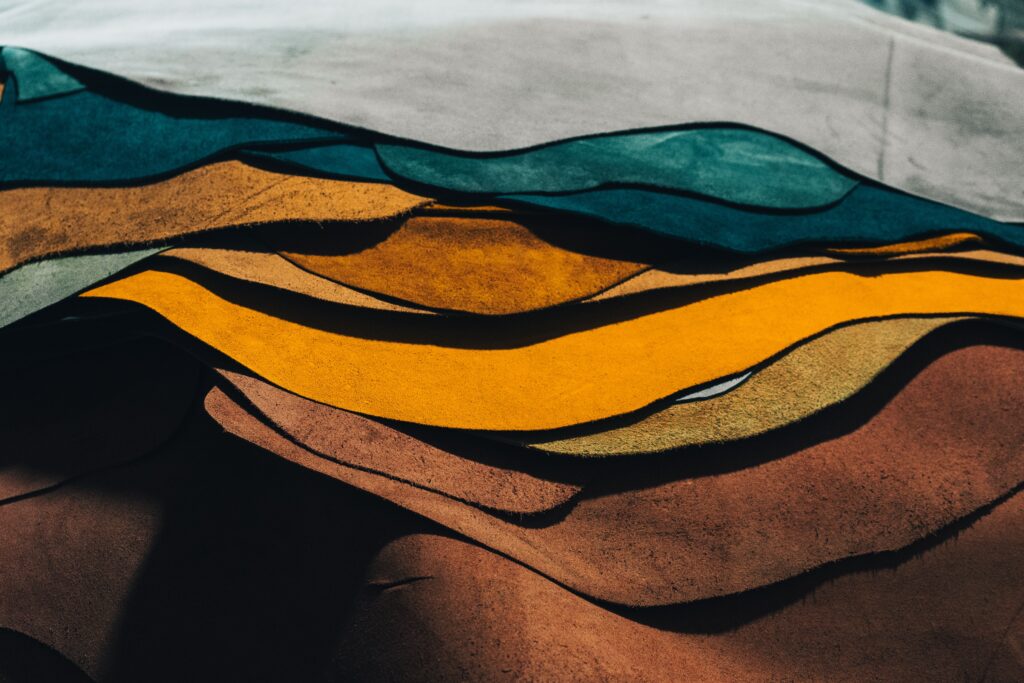
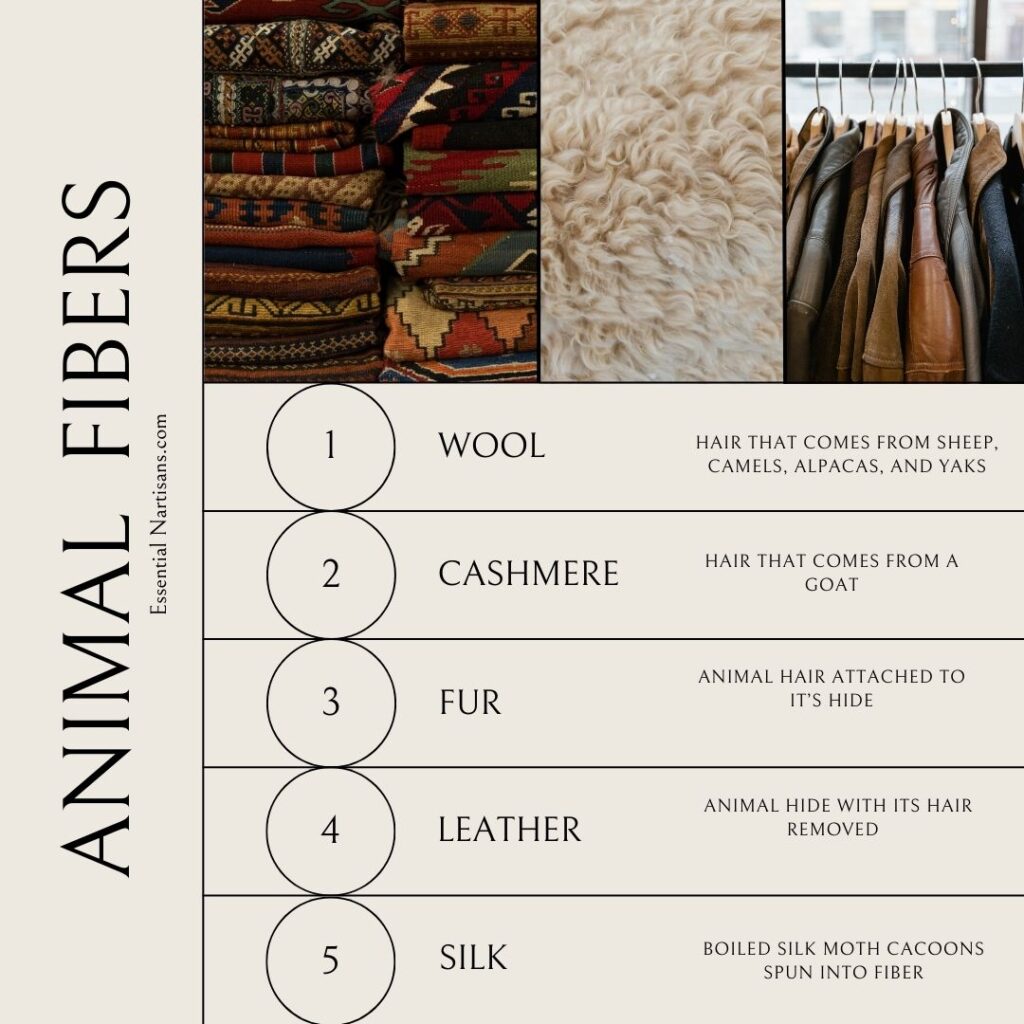
Animal fibers—like wool, alpaca, cashmere, silk, leather, furs, and feathers—come from the coats, skins, and cocoons of animals and have been used in clothing for thousands of years.
These natural materials work with your body: they are breathable, temperature-regulating, and moisture-wicking, which means they help keep you comfortable in all kinds of weather. Leather and furs add durability and warmth, while feathers and silk offer lightweight insulation and softness.
Unlike synthetics, which can trap heat, hold odors, and shed microplastics, animal fibers are biodegradable and kinder to your skin. They are nature’s version of high-performance wear—with timeless style and real benefits.
Animal Fibers & Materials
pros
- BUILT-IN CLIMATE CONTROL
- Wool, alpaca, and down naturally regulate temperature—keeping you warm when it’s cold and cool when it’s warm.
- -------------------------------------------------
- MOISTURE WICKING
- -------------------------------------------------
- LESS WASHING, LESS HASSLE
- Because they resist odor and dirt better than synthetics, you can wear them more often between washes—saving time, water, and effort.
- -------------------------------------------------
- SUPER DURABLE
- Leather, fur, and tightly woven wool can last for years—even decades—with simple maintenance. They age beautifully and often look better over time.
- -------------------------------------------------
- GREAT FOR SENSITIVE SKIN
- -------------------------------------------------
- BIODEGRADABLE & ECO-CONSCIOUS
- When they’ve finally served their time, these materials return to the earth—not the landfill.
- -------------------------------------------------
- TIMELESS STYLE THAT ACTUALLY WORKS
- Animal fibers don’t just look luxurious—they perform. From rain-repelling wool coats to cozy shearling and classic leather jackets, these pieces are as functional as they are good-looking.
cons
- NEEDS A BIT MORE TLC
- Animal fibers do best with gentle care- hand washing, air drying, or other alternatives to avoid the toxic dry cleaner. But in return, they last longer and stay looking great for years.
- -------------------------------------------------
- CAN ATTRACT MOTHS IF STORED WRONG
- Natural fibers can be sensitive to storage, but a simple cedar block or lavender sachet in your closet keeps them fresh and moth-free.
- -------------------------------------------------
- SOURCING MATTERS
- Some people have ethical concerns about animal products—but there are lots of brands now offering responsibly sourced, cruelty-free options, so you can wear your values and stay comfortable
- -------------------------------------------------
- COSTS A BIT MORE UPFRONT
- Yes, quality wool or leather can be an investment—but these pieces often last far longer than fast fashion, making them a better deal in the long run.
- -------------------------------------------------
- SENSITIVE TO HEAT AND WATER
- Wool can shrink and leather can warp if treated harshly, but once you know how to care for them, it becomes second nature.
- -------------------------------------------------
- NOT IDEAL FOR EVERY SEASON
- Some animal fibers are better suited for cooler months, but lightweight versions (like silk, fine merino, or feather down) are perfect year-round with the right layering.
plant fibers
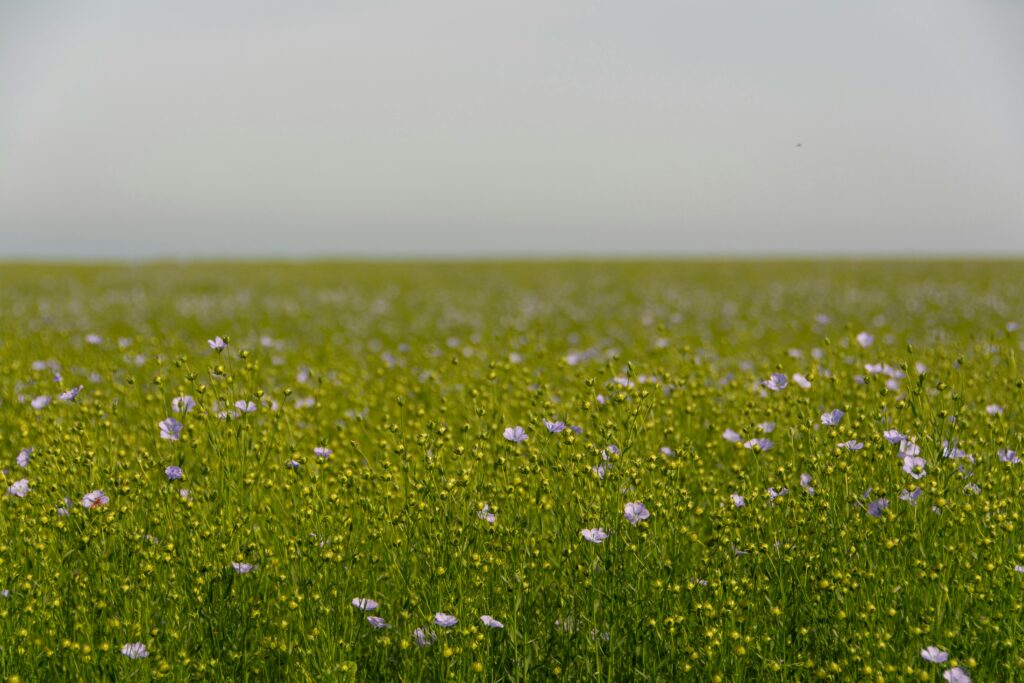
Plant fibers—like cotton, linen (from flax), hemp, and even lesser-known ones like nettle, jute, and banana fiber—come from different parts of plants, such as stems, leaves, and seeds.
These natural textiles are breathable, lightweight, and super comfortable, especially in warm weather.
They help your skin stay cool and dry, unlike synthetic fabrics that can trap heat and moisture. Plus, plant-based fibers are biodegradable, renewable, and often require fewer chemicals to produce, making them a better choice for both your body and the planet.
Whether it’s soft cotton for everyday wear or durable hemp for work clothes, plant fibers are a simple, natural way to dress in harmony with nature.
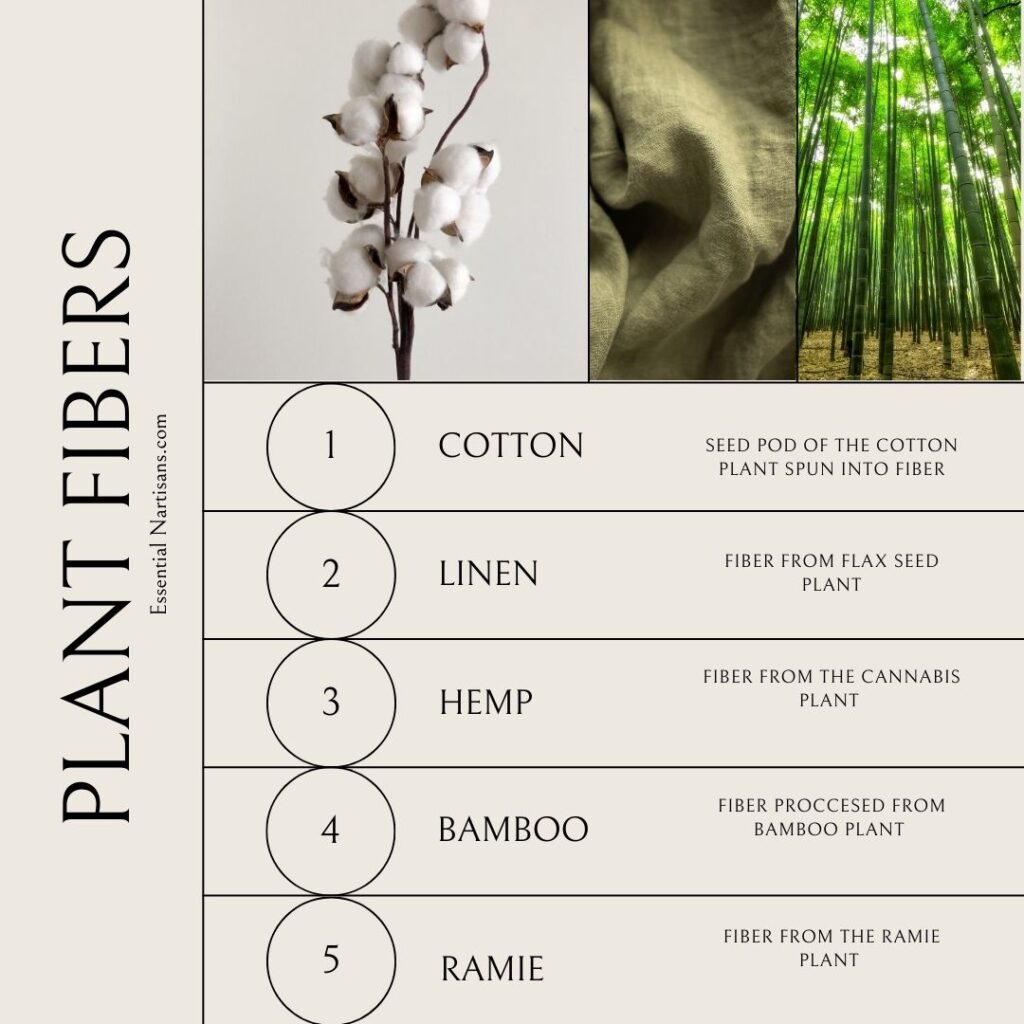
Plant fibers
pros
- Breathable & Comfortable
- Perfect for warm weather or layering in all seasons.
- ---------------------------------------------------
- Lightweight & Soft
- ---------------------------------------------------
- Low-Key Durable
- Fibers like hemp and nettle are surprisingly strong—great for everyday clothes, workwear, and even outdoor gear.
- ---------------------------------------------------
- Easy to Wash
- ---------------------------------------------------
- Earth-Friendly
- Hemp and linen grow with even less water and fewer chemicals.
- ---------------------------------------------------
- Versatile Style
- From crisp linen shirts to sturdy canvas totes, plant fibers can be dressed up or down and never go out of style.
cons
- Wrinkles Easily
- Linen and cotton love to wrinkle—but hey, it’s part of their laid-back charm. A quick steam or wear-it-wrinkled works just fine.
- ---------------------------------------------------
- Prone to Shrinking
- Hot water and dryers can shrink cotton and other plant fibers. A little care (like air-drying or washing cool) keeps them in shape.
- ---------------------------------------------------
- Wears Out Faster
- Lightweight cotton might thin out over time, especially in high-friction spots—but hemp, linen, and blends are tougher options.
- ---------------------------------------------------
- May Fade Over Time
- Plant-based dyes and natural fabrics can fade with sun and wear—but this often gives them a cozy, lived-in look many people love.
conclusion
Clothing is more than just what we put on—it’s part of how we live, feel, and connect with the world around us. Choosing natural fibers is one small shift that can have a meaningful impact on our health, comfort, and the planet.
Thanks for taking the time to learn with us—here’s to dressing with intention and feeling better in what you wear. Until next time, stay curious and keep it luxuriously natural. 🌿
You must be logged in to post a comment.