I don’t know if you have, but I’ve been seeing less bees in the garden.
In recent years, I have seen a small number of bees, but since my city started overdeveloping houses, apartments, and stores, I’ve noticed even less. So, I looked into the life of bees, and here is what I found.
Bee Homes
Wild Honeybees
Wild honeybees surprisingly, are not native to North America.
They are native to Africa and Eurasia; they were introduced to the Americas and Australia throughout the 16th and 19th centuries and were domesticated for farming.
Wild honeybees build their hives in hollowed trees with the entrance facing south. They construct their nest by chewing the bark of the tree, making it soft to form honeycombs.
The key point, wild honeybees need trees.
Bumblebees
Bumblebees live underground typically in old animal burrows, but they also dig holes in bare soil to nest. The queen bee uses dry grass and moss to line her nest and later the worker bees create a wax cap over the entrance.
The key point, they need burrows, dry vegetation, and light foot traffic ground to live in.
Picture of a fresh bumblebee nest
Carpenter Bees
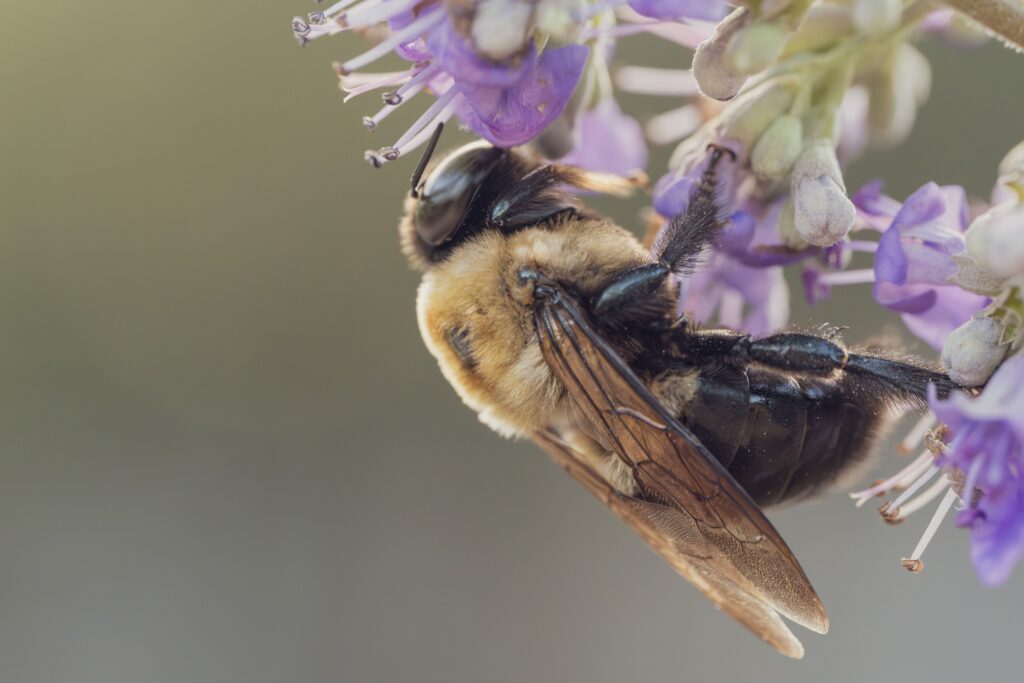
Carpenter bees live in solitude, creating individual nests in old weathered wood like logs or the wood on our houses.
The key point, they like dead wood with lots of small cavities.
Discussion
Bees are very selective of their home sights. In nature they look for dark covered places like tree cavities, holes in tree roots, and rock cavities, to name a few.
Open grass fields, large native flower meadows, and lush forests are all also very important to the thousands of native North American bees that live in them.
You might have noticed that I didn’t mention flowers, and that’s on purpose. Yes, we need flowers but we’re missing an array of ecosystems, not just within our backyards but throughout our cities and large towns as well.
Two things mentioned above is they make their homes in trees and grassy places in some form of way.
Going back to my city, it used to have plenty of open fields full of wildflowers, tall grass, trees, and burrows. Within a year, construction tore it all up and there are less places for wild or domesticated bees to stay.
In many suburban cities you’re not allowed to keep bees even if you have the space.
Because of this and a growing lack of wild spaces, where will all the bees go? Well, the only places they can, ether moving in our homes, yards, and trees or moving away, and moving further and further can make flights to our gardens too strenuous.
Solutions and ideas
Disclaimer- Proceed any of these ideas at YOUR OWN risk.
Here are some things I’ve done to help out bees and attract other pollinators.
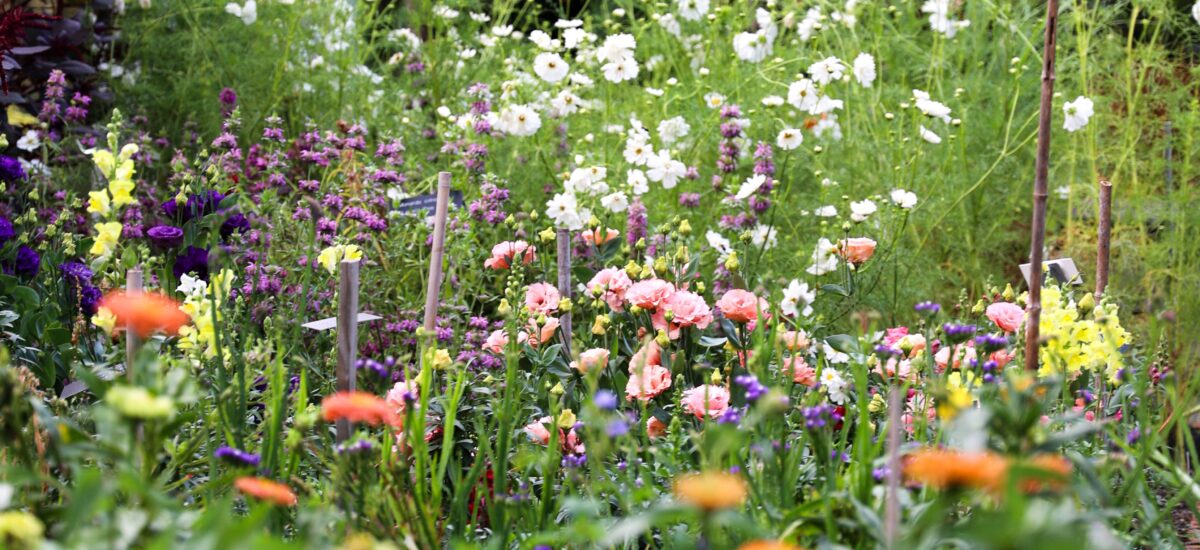
Let native wildflowers and weeds grow
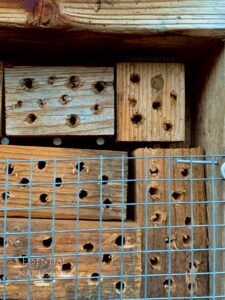
Hang bee hotels
Leave bamboo sticks in random places for mason bees
Garden with Permaculture methods
Let ground bees stay in specific places
I have done all of these things, which have resulted in many different pollinators finding my garden.
I hung the bug hotel but instead of bees, wasps moved in, and to be honest they have been an excellent addition to my garden. I’ll write more on this in another article.
Leaving the bamboo sticks in random places in the yard attracts the mason bees more than the bee houses because they like their individual space.
I try to use permaculture methods in plant placement and fertilization when I can to mimic nature for healthier soil and stronger plants. One plant that does really well is sunflowers.
Lastly, I let the bumble bees make their temporary homes in undisturbed places of my yard so the next generation can begin.
Thats my thoughts and observations on the subject. Please, comment or discuss what you think in the comments below. Thank you for reading.
Disclaimer
I’m NOT an expert on this subject and in NO way do I claim to be. This article is simply an accumulation of facts, observations, and hypothesis to be used in the matter of DISCUSSION and discussion alone, not as a source for research.
Photos by our EN photographer and the amazing photographers on pexels.



You must be logged in to post a comment.